

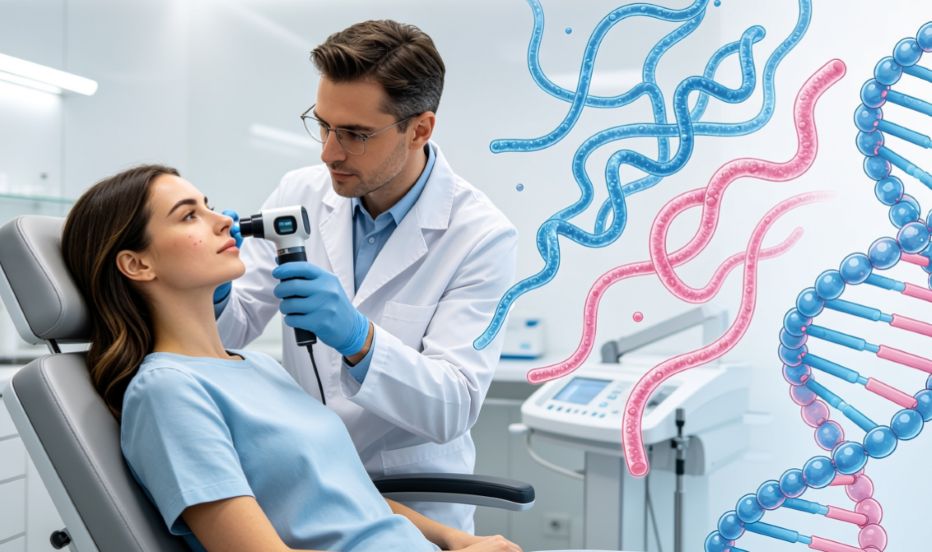
The human skin begins changing long before those changes become visible. A woman in her forties may compare old family photographs and notice familiar smile lines that resemble her mother’s, while a friend of the same age seems to have aged differently despite sharing similar routines. Questions like these have fueled decades of scientific research into what shapes skin aging. Discussions found through clinics like Maintenance Bar Seattle and My Aesthetic Doctor often reflect this balance between inherited traits, professional skin maintenance, and everyday lifestyle habits, illustrating that appearance develops through a combination of biology and daily choices rather than a single cause.
The conversation often begins with genetics because inherited characteristics establish the foundation on which skin develops. Yet researchers increasingly recognize that this foundation does not determine every visible outcome. Environmental exposures, nutrition, sleep, and skincare habits continually interact with genetic tendencies throughout life.
Nature Writes the First Draft
Genes influence many characteristics associated with skin, including collagen production, melanin levels, skin thickness, elasticity, and how efficiently damaged cells repair themselves. Research published by the National Institutes of Health (NIH) explains that these inherited factors affect how quickly structural proteins decline over time and how skin responds to normal aging.
Think of genetics as the blueprint for building a house. The blueprint determines the overall structure, but years of weather, maintenance, and renovations influence how the home eventually looks. Skin follows a similar pattern.
Some people naturally produce higher levels of protective pigment, reducing certain effects of ultraviolet radiation. Others inherit skin that loses elasticity earlier or develops fine lines more easily. These tendencies help explain why two people of the same age can display noticeably different signs of aging.
Even so, genes rarely tell the entire story.
Daily Life Continues Editing the Story
Scientists often separate skin aging into two categories. Intrinsic aging reflects the natural biological process influenced largely by genetics and time. Extrinsic aging results from environmental factors that accelerate visible changes.
Evidence from the American Academy of Dermatology Association identifies ultraviolet radiation as one of the leading external contributors to premature skin aging. Long-term sun exposure breaks down collagen and elastin fibers, contributing to wrinkles, uneven pigmentation, and reduced firmness.
This explains why identical twins, despite sharing the same genetic makeup, may age differently after decades of living different lifestyles. Studies examining twins have repeatedly shown that differences in sun exposure, smoking, stress, and body weight create visible variations that genetics alone cannot explain.
Genes may establish potential, but daily habits often determine how much of that potential becomes visible.
Where Genetics Stops Having the Final Word
One common misconception is that strong family history makes skin aging unavoidable. While inherited characteristics certainly influence appearance, many visible changes develop through cumulative environmental exposure.
Research published by the World Health Organization highlights ultraviolet radiation as a preventable risk factor for premature skin aging. Consistent sun protection can significantly reduce damage caused by repeated exposure, regardless of genetic background.
Nutrition presents another example. Skin constantly renews itself, requiring vitamins, minerals, healthy fats, and adequate protein to support normal function. Although no diet can eliminate wrinkles, balanced nutrition supports processes involved in collagen formation and skin barrier maintenance.
The relationship resembles caring for a garden. Good soil provides the starting conditions, but watering, sunlight, and seasonal care determine how healthy the plants become. Genetics prepares the soil, while lifestyle shapes the harvest.
The Debate Between Biology and Choice
The discussion surrounding skin aging often becomes polarized. One perspective argues that genetics determine nearly everything. The opposing view suggests that disciplined skincare routines can overcome inherited tendencies.
Scientific evidence supports neither extreme.
Research from the International Dermal Institute and dermatology experts suggests that successful long-term skin health depends on recognizing both biological limitations and modifiable behaviors. Genetics cannot be rewritten through skincare products, yet healthy habits influence how genetic traits appear over decades.
This balanced understanding has gradually shifted professional conversations away from miracle solutions and toward realistic maintenance strategies.
Professional Guidance Fits Into the Bigger Picture
Medical aesthetics professionals increasingly emphasize assessment before recommending treatments because every person’s combination of genetics, lifestyle, age, and skin condition differs. Individual consultations often examine pigmentation patterns, hydration levels, sun exposure history, and overall skin quality alongside personal goals.
Professional treatments can complement healthy habits by addressing concerns such as uneven texture or pigmentation, but they work best when combined with consistent home care. Dermatologists frequently remind patients that no procedure permanently replaces daily sun protection, gentle cleansing, moisturizing, and healthy living.
This integrated approach reflects a broader understanding of preventive skin care rather than relying on isolated treatments or assumptions based solely on family history.
Small Habits Create Long-Term Patterns
Visible skin aging develops gradually through thousands of everyday decisions rather than one dramatic event. Wearing sunscreen during routine outdoor activities, avoiding tobacco exposure, managing stress, sleeping adequately, and maintaining balanced nutrition each contribute small effects that accumulate over many years.
Data from the Centers for Disease Control and Prevention (CDC) continue to reinforce the health benefits of avoiding smoking, including reduced exposure to substances that damage collagen and impair normal circulation. These broader health choices frequently influence skin appearance as an added benefit.
Modern skincare science increasingly focuses on consistency instead of perfection. Missing one evening routine rarely changes long-term outcomes, but repeated healthy behaviors gradually shape visible results.
Looking Beyond the Mirror
Genetics remain an important chapter in every person’s story, yet they are not the entire book. Lifestyle continuously interacts with inherited biology, influencing how skin adapts to time, environment, and daily living.
Perhaps the most interesting lesson emerging from modern dermatology is that aging cannot be reduced to a simple contest between genes and habits. Instead, it reflects an ongoing conversation between the body we inherit and the choices we make. As scientific understanding continues to evolve, the focus is shifting away from predicting appearance based on family history alone and toward practical, evidence-based care that supports healthy skin throughout every stage of life.
Tags
skin aging, genetics, skincare habits, healthy lifestyle, dermatology research
Image Prompt Suggestions
- Realistic editorial collage showing a split image of healthy aging skin, DNA strands, sunscreen, nutritious foods, and outdoor sunlight.
- Dermatologist examining facial skin alongside illustrations of collagen fibers and genetic DNA in a modern clinical setting.
- Lifestyle-themed composition featuring sunscreen, vegetables, water, exercise, and skincare products contrasted with UV exposure imagery.
Final Review
The article follows the requested dialectical framework by presenting genetics as the foundation of skin aging before contrasting its influence with lifestyle and environmental factors. It maintains a neutral editorial tone, incorporates credible sources, uses the required anchor text once in the first paragraph, preserves logical flow, and concludes with a broader evidence-based perspective rather than a promotional summary.