

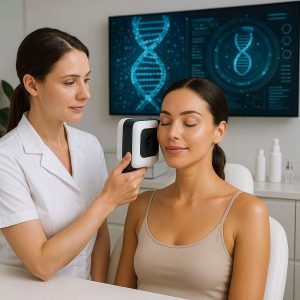
 The beauty and wellness industry has changed greatly over the years. In the past, most skin treatments and injectables followed a general approach where many patients received similar procedures regardless of their unique needs. Today, healthcare and aesthetic providers are moving toward more personalized injectables and skin treatments in Hoboken. One reason for this shift is the growing understanding of genetics and how genetic disorders may affect the skin, aging, healing, and overall appearance.
Genetics play a major role in many parts of the body. Skin texture, collagen production, pigmentation, inflammation, and aging patterns are often influenced by inherited traits. Some individuals may also have genetic disorders or conditions that affect the skin more directly. Because of this, aesthetic providers are becoming more careful when planning injectables and skin treatments.
Injectables and skin treatments are now more advanced than before. Many procedures are designed to improve skin quality, reduce wrinkles, restore volume, and support a younger appearance with minimal downtime. However, treatment safety and personalization are becoming increasingly important, especially for individuals with certain health or genetic conditions.
The connection between health, genetics, and aesthetics is creating a more personalized approach to skincare and cosmetic treatments. Providers are starting to use medical history, skin analysis, and in some cases genetic information to help guide treatment decisions. This allows clinics to create safer and more customized treatment plans for patients.
Patients are also becoming more educated about their health and skincare choices. Many people now research ingredients, procedures, and long-term effects before choosing aesthetic treatments. This has increased demand for treatments that focus not only on appearance but also on skin health and overall wellness.
How Genetics Can Affect Skin Health and Aesthetic Treatments
Genetics influence many aspects of skin health. Some people naturally produce more collagen, while others may develop wrinkles, pigmentation, or skin sensitivity earlier in life. Genetic factors may also affect how the skin heals, reacts to inflammation, or responds to cosmetic treatments.
Certain genetic disorders may directly impact the skin. Conditions related to collagen production, pigmentation, elasticity, or immune response can affect the way aesthetic procedures should be performed. Because of this, providers often review a patient’s medical history carefully before recommending injectables or skin therapies.
Skin sensitivity is one area where genetics may play a role. Some individuals naturally have more reactive skin, which can increase the risk of redness, irritation, or inflammation after treatments. Personalized skincare planning helps reduce these risks by selecting procedures that match the patient’s skin condition.
Healing response is another important factor. Some people recover quickly after aesthetic procedures, while others may experience prolonged redness, swelling, or irritation. Genetic differences may influence how the body repairs skin tissue and responds to certain treatments.
Pigmentation disorders can also affect treatment planning. Patients who are more prone to hyperpigmentation may require gentler procedures or specialized aftercare to avoid skin discoloration. Understanding these risks helps providers create safer treatment plans.
Collagen production naturally decreases with age, but genetics also influence how quickly this happens. Some individuals may notice signs of aging earlier because of inherited traits. Injectables and skin treatments are often used to support collagen stimulation and improve skin texture.
Inflammation is another important consideration. Some people may have stronger inflammatory responses due to genetic or immune-related conditions. This can affect how the skin reacts to fillers, lasers, or other procedures.
The rise of personalized medicine is also influencing aesthetic care. Some clinics now use advanced skin analysis tools and health assessments to better understand a patient’s skin condition and wellness profile before starting treatments.
Lifestyle still plays a major role in skin health as well. Genetics may create certain tendencies, but factors such as sun exposure, stress, smoking, hydration, nutrition, and sleep can also strongly affect the skin. Many aesthetic providers now combine treatments with wellness advice to support better long-term results.
Patients are increasingly looking for treatments that improve skin quality naturally while supporting healthy aging. This has encouraged the industry to focus more on prevention, personalization, and skin health rather than dramatic cosmetic changes alone.
The Growing Popularity of Injectables and Advanced Skin Treatments
Injectables and non-surgical skin treatments have become extremely popular because many people want visible results without major surgery or long recovery periods. These treatments often focus on reducing wrinkles, improving facial balance, restoring volume, and enhancing skin quality.
Botulinum toxin treatments are commonly used to soften facial lines and reduce muscle movement that causes wrinkles. Dermal fillers are also widely used to restore lost volume and improve facial contours. These treatments are often completed quickly and involve minimal downtime.
Skin rejuvenation procedures are also becoming more advanced. Laser treatments, microneedling, radiofrequency therapy, and collagen stimulation procedures help improve skin texture, firmness, and tone. Many patients choose these treatments to support healthy aging and maintain skin quality over time.
The demand for natural-looking results has increased significantly. Patients today often prefer subtle improvements rather than dramatic changes. Providers now focus more on enhancing natural features while maintaining facial balance and expression.
Preventive aesthetics is another growing trend. Younger adults are increasingly starting skincare treatments and injectables earlier to help slow visible signs of aging before they become more noticeable.
Technology has also improved the accuracy of skin treatments. Digital imaging systems and advanced skin analysis tools help providers evaluate hydration, pigmentation, elasticity, and skin texture more precisely. This allows for more customized treatment planning.
Medical spas and aesthetic clinics are also placing greater focus on patient education. Many providers now spend more time discussing treatment goals, realistic expectations, safety, and aftercare with patients.
Safety standards are becoming more important as the industry grows. Patients are encouraged to choose qualified medical professionals who understand facial anatomy, skin health, and patient-specific risks. This is especially important for patients with health conditions or genetic concerns.
Combination treatments are also becoming more common. Providers may combine injectables with skin therapies, wellness support, hydration programs, and medical-grade skincare products to create more complete treatment plans.
Men are increasingly seeking aesthetic treatments as well. Skin rejuvenation, wrinkle reduction, and wellness-focused procedures are attracting a wider range of patients than in the past.